
Retirement insights from a Colorado PERA perspective
Assessing the Impact of the Social Security Fairness Act
Issues & Perspectives
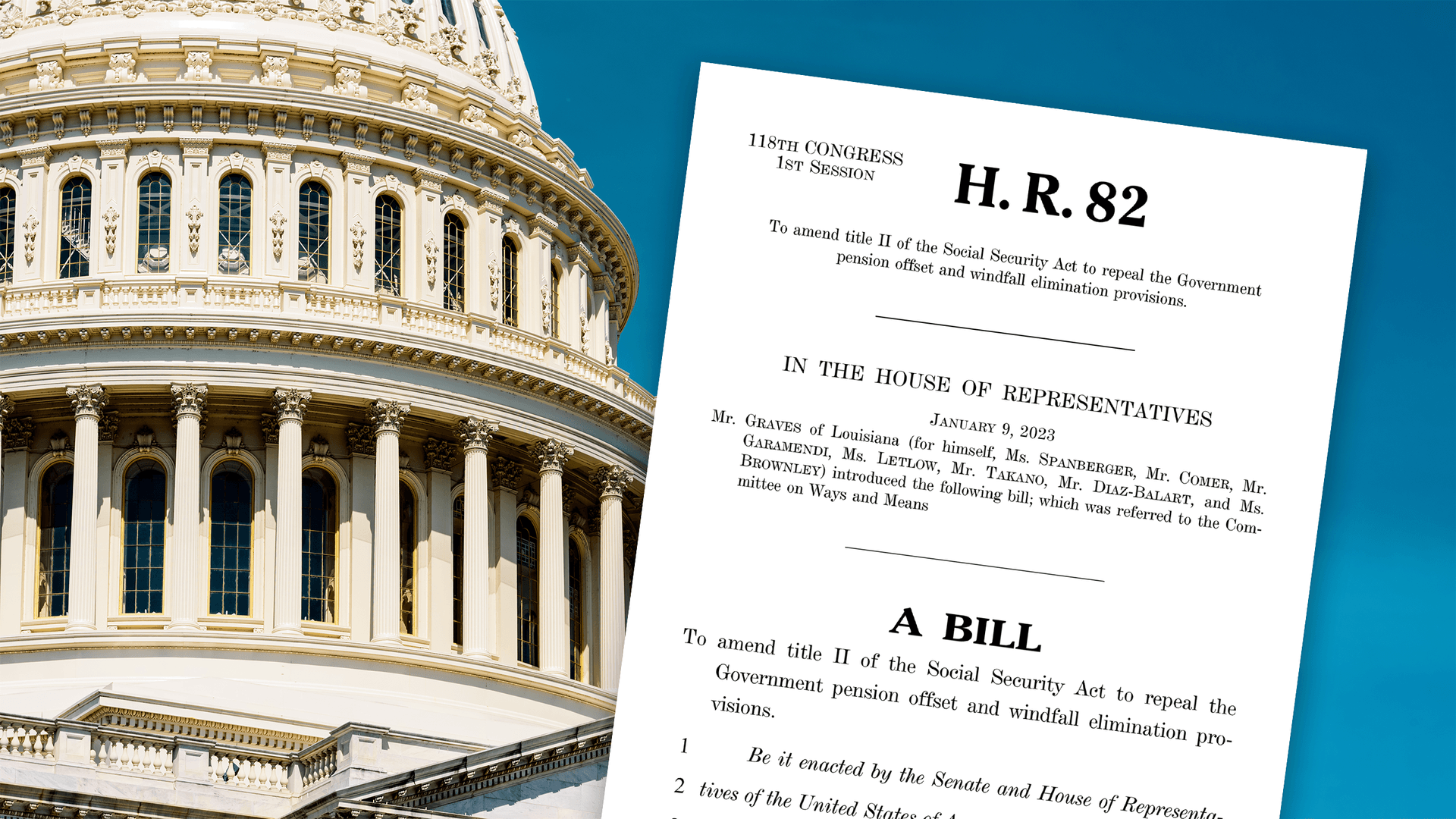
H.R. 82, the Social Security Fairness Act of 2023, repealed the Windfall Elimination Provision (WEP) and Government Pension Offset (GPO).
October 20, 2026
It’s been nearly two years since Congress passed the Social Security Fairness Act and repealed Social Security’s Windfall Elimination Provision (WEP) and Government Pension Offset (GPO). A recent report from the Congressional Research Service (CRS) describes the bill’s implementation and its impact on affected public employees as well as Social Security’s finances.
Background
For decades, WEP and GPO reduced Social Security benefits for retirees who also received retirement income from work that wasn’t covered by Social Security. Because most public employees in Colorado do not contribute to Social Security, many faced reductions under WEP and GPO if they or their spouse contributed to Social Security outside of their public sector employment.
Federal lawmakers had tried for many years to remove or modify WEP and GPO, but those bills never made it to the floor of the House or Senate for a vote. Then in late 2024, Congress passed the Social Security Fairness Act, and then-President Joe Biden signed the bill into law in early January 2025.
Following the bill’s passage, the Social Security Administration began the process of recalculating affected workers’ Social Security benefits and issuing retroactive lump sum payments for benefits going back to January 2024, the bill’s effective date.
Public Employees Previously Affected by WEP/GPO
WEP and GPO mainly affected two groups: State and local government employees in states like Colorado where they are covered under alternative retirement plans, and federal employees hired before January 1, 1984. According to the CRS report, Colorado was among nine states that accounted for about 60% of affected workers nationwide.
As of the most recent update in July 2025, the Social Security Administration said it had made more than 3.1 million payments to eligible beneficiaries totaling $17 billion, with an average retroactive payment of $7,208.
In addition, the Social Security Administration received 387,000 new Social Security claims from people who may be entitled to back payment.
In Colorado, Social Security reported 91,241 cases totaling over $599 million in retroactive payments that were processed through large-scale automation. That total does not include more complex cases that required manual processing, so the full impact isn’t yet clear.
Social Security’s Finances
Because the Social Security Fairness Act increased benefit payments for affected beneficiaries, it increased costs for the program as a whole. According to the Congressional Budget Office (CBO), the bill is expected to increase Social Security spending by about $198 billion over 10 years.
That increase in spending slightly worsens Social Security’s financial outlook; the CBO estimates the depletion date of Social Security’s trust funds would advance by about six months due to the Social Security Fairness Act.
According to the most recent report from the Social Security and Medicare Boards of Trustees, the Old-Age and Survivors Insurance (OASI) Trust Fund, which pays retirement and survivor benefits, has enough money to pay full benefits until late 2032. After that, Social Security will only be able to pay about 78 percent of scheduled benefits.
The impact on Social Security isn’t entirely negative, however. The CRS report states WEP and GPO were a major cause of Social Security overpayments, so the SSFA reduces that risk and removes the administrative burden of collecting and verifying pension details.
What’s Next?
There’s a great deal of uncertainty around what the future of Social Security looks like. With less than a decade until the program exhausts its financial reserves, momentum is building in Washington, DC to take action sooner rather than later.
Congressional lawmakers on both sides of the aisle have proposed changes, including raising the cap on income subject to Social Security payroll taxes or rethinking the system’s investments. There have also been discussions about creating a commission or advisory board to oversee legislative attempts at Social Security reform, though nothing has been decided.
PERA On The Issues will continue to follow this issue and share updates as they’re available. Be sure to subscribe to our newsletter to stay in the loop.
FILE UNDER
Related Posts



Subscribe to PERA On The Issues
Stay informed by subscribing to our newsletter. Youʹll receive one email every two weeks that contains a summary of all the latest news.